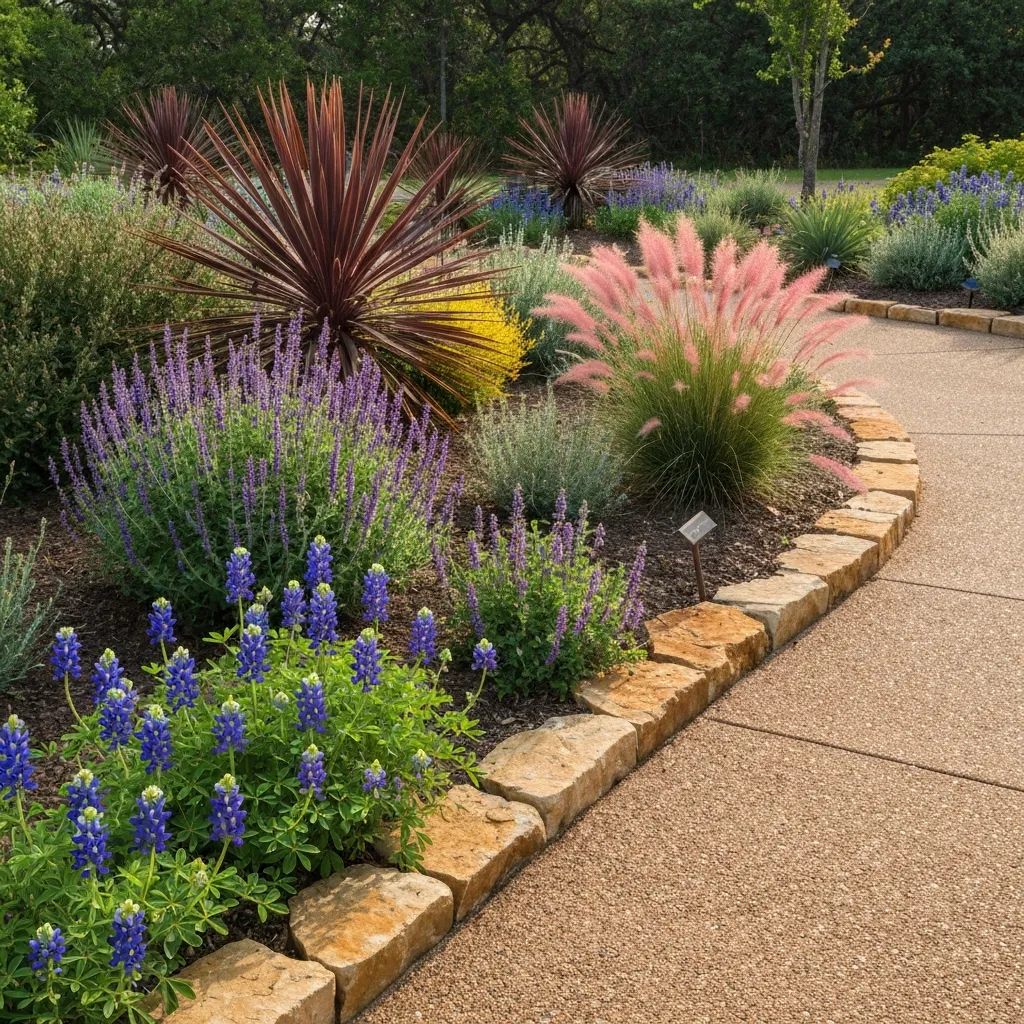
Creating Beautiful Gardens in Texas
Texas presents unique gardening challenges and opportunities with its diverse climate zones, from humid coastal areas to arid western regions. Whether you're in Houston, Dallas, Austin, or San Antonio, designing a garden that thrives in Texas heat while conserving water is essential.
Why Texas Gardens Are Special
Texas spans multiple USDA hardiness zones (roughly 6 to 10), meaning your garden design must account for extreme summer heat, occasional freezes, and variable rainfall. Native plants like bluebonnets, Indian blanket, and Texas sage are perfect choices that have evolved to handle these conditions.
Popular Texas Garden Styles
- Xeriscape Gardens: Water-wise designs featuring drought-tolerant plants, decomposed granite, and efficient irrigation
- Native Wildflower Gardens: Showcasing Texas bluebonnets, coneflowers, and black-eyed Susans
- Mediterranean Style: Well-suited to Texas climate with olives, lavender, and rosemary
- Modern Minimalist: Clean lines with agave, yucca, and architectural grasses
- Cottage Gardens: Adapted for Texas with heat-tolerant roses and perennials
- Edible Gardens: Vegetables, herbs and fruit designed to look as good as they taste
Best Plants for Texas Gardens
Consider these Texas Superstar plants proven to thrive across the state:
- Texas Sage (Leucophyllum)
- Gulf Muhly Grass
- Mexican Bush Sage
- Pride of Barbados
- Turk's Cap
- Flame Acanthus
Contemporary Landscaping for Texas Homes
Modern garden design brings clean lines, minimalist aesthetics, and architectural plants to Texas landscapes. This style works exceptionally well in urban areas like Austin, Dallas, and Houston, combining form and function with water-wise practices.
Key Elements of Modern Texas Gardens
- Geometric Layouts: Clean lines and defined spaces
- Architectural Plants: Sculptural forms like agave and yucca
- Hardscape Focus: Concrete, steel, and stone features
- Limited Plant Palette: Repeated groupings for impact
- Outdoor Living: Integrated patios and fire features
- Sustainable Materials: Permeable paving and recycled elements
Best Plants for Modern Texas Gardens
Architectural Specimens:
- Century Plant (Agave americana)
- Red Yucca (Hesperaloe parviflora)
- Mexican Grass Tree (Dasylirion)
- Sotol varieties
Textural Grasses:
- Gulf Muhly Grass (pink plumes)
- Mexican Feather Grass
- Maiden Grass (Miscanthus)
- Karl Foerster Grass
Accent Plants:
- Texas Sage (silvery foliage)
- Trailing Rosemary
- Dyckia succulents
- Mondo Grass groundcover
Modern Hardscape Ideas
Materials:
- Polished concrete for clean surfaces
- Corten steel planters and edging
- Decomposed granite pathways
- Large format pavers
- Stained concrete retaining walls
Features:
- Linear water features
- Built-in seating with cushions
- Modern outdoor kitchens
- Fire pits with glass
- LED uplighting for drama
Color Palette
Modern Texas gardens typically use:
- Neutrals: grays, whites, blacks
- Accent pops: purple sage blooms, red yucca flowers
- Natural tones: buff stone, warm wood
- Silvery foliage for texture
Sustainable Modern Design
- Rainwater collection systems
- Permeable paving to reduce runoff
- Drip irrigation with smart controllers
- Native and adapted plants only
- Solar-powered lighting
The Magic of Texas Wildflower Gardens
Nothing says Texas like a field of bluebonnets in spring. Native wildflower gardens capture the natural beauty of Texas prairies while supporting local ecosystems, requiring minimal maintenance, and providing year-round interest.
Why Choose Native Wildflowers?
- Low Maintenance: Evolved for Texas soil and climate
- Water Efficient: Deep roots access groundwater
- Pollinator Support: Essential for bees and butterflies
- Year-Round Beauty: Different blooms each season
- Cost Effective: Self-seeding reduces replanting needs
Essential Native Texas Wildflowers
Spring Bloomers:
- Texas Bluebonnet (Lupinus texensis) - State flower, blue-purple spikes
- Indian Paintbrush (Castilleja) - Orange-red bracts
- Coreopsis (Coreopsis tinctoria) - Golden yellow blooms
- Wine Cup (Callirhoe involucrata) - Magenta cup-shaped flowers
Summer & Fall Bloomers:
- Black-Eyed Susan (Rudbeckia hirta) - Yellow with dark centers
- Purple Coneflower (Echinacea purpurea) - Medicinal purple blooms
- Maximilian Sunflower (Helianthus maximiliani) - Tall yellow sunflowers
- Mistflower (Conoclinium coelestinum) - Blue-purple clusters
Creating Your Wildflower Meadow
Site Preparation:
- Choose a sunny location (6+ hours daily)
- Remove existing grass and weeds
- Loosen soil but don't over-fertilize
- Ensure good drainage
Planting Timeline:
- Fall (October-November): Best time for spring bloomers
- Spring (February-March): For summer/fall varieties
Seed Mix Recommendations:
- 50% grasses (Buffalo grass, Blue Grama)
- 50% wildflowers (mix of species for extended bloom)
Maintenance Tips
- Water only until established (first 6-8 weeks)
- Mow once in late winter before spring growth
- Let seed heads mature for self-seeding
- Minimal to no fertilizer needed
Cottage Garden Charm in Texas
Cottage gardens bring romantic abundance, fragrant blooms, and informal charm to Texas landscapes. While traditional English cottage gardens need adaptation for Texas heat, the style's relaxed mix of flowers, herbs, and edibles works beautifully when you choose heat-tolerant plants.
Adapting Cottage Style for Texas
The key is selecting plants that provide cottage garden aesthetics while tolerating Texas summers:
- Replace cool-season favorites with heat-loving alternatives
- Add afternoon shade in hottest areas
- Improve soil with compost for moisture retention
- Mulch heavily to keep roots cool
- Use efficient irrigation like soaker hoses
Texas Cottage Garden Plants
Heat-Tolerant Perennials:
- Roses: Knock Out, Belinda's Dream, Carefree Beauty
- Salvias: May Night, Mexican Bush Sage, Autumn Sage
- Coneflowers: Purple and yellow varieties
- Lantana: Endless color all summer
- Russian Sage: Lavender-like blooms
- Turk's Cap: Red hummingbird favorite
Cottage Annuals for Texas:
- Zinnias (all colors)
- Cosmos (heat-tolerant varieties)
- Celosia (vibrant plumes)
- Cleome (spider flower)
- Sunflowers (smaller varieties)
Herbs for Fragrance:
- Rosemary (evergreen structure)
- Thyme (edging and groundcover)
- Oregano (spreading habit)
- Mexican Mint Marigold (tarragon substitute)
- Lemon Verbena (scented foliage)
Design Elements
Pathways:
- Decomposed granite or crushed gravel
- Stepping stones through beds
- Brick or flagstone patterns
Vertical Interest:
- Arbors with coral vine or Confederate jasmine
- Picket fences with climbing roses
- Tuteurs for mandevilla or morning glory
- Trellis for passion vine
Cottage Features:
- Birdbaths for wildlife
- Weathered containers and pots
- Garden bench focal points
- Whimsical garden art
Color Schemes
Classic Cottage: Pinks, purples, whites with silver foliage
Hot Texas Palette: Oranges, reds, yellows, hot pinks
Moonlight Garden: Whites and silvers for evening enjoyment
Seasonal Succession
- Spring: Larkspur, snapdragons, sweet alyssum
- Summer: Zinnias, salvias, lantana, roses
- Fall: Asters, mums, ornamental grasses
- Winter: Pansies, ornamental kale, evergreen herbs
Growing Food in Texas Gardens
Texas offers an extended growing season perfect for productive edible gardens. With strategic planning, you can harvest fresh vegetables, herbs, and fruits nearly year-round while creating an attractive landscape that's both beautiful and functional.
Texas Vegetable Growing Seasons
Spring Garden (Feb-May):
- Tomatoes (plant after last frost)
- Peppers (hot and sweet)
- Squash and cucumbers
- Beans (bush and pole)
- Melons and pumpkins
Fall Garden (Aug-Nov):
- Lettuce and salad greens
- Broccoli and cauliflower
- Cabbage and kale
- Carrots and beets
- Spinach and Swiss chard
Winter Garden (Dec-Feb):
- Cold-hardy greens
- Garlic and onions
- Peas and fava beans
- Radishes and turnips
Essential Herbs for Texas
Perennial Herbs:
- Rosemary (evergreen and drought-tolerant)
- Oregano (spreads readily)
- Thyme (multiple varieties)
- Mexican Mint Marigold (Texas tarragon)
- Lemongrass (tropical accent)
Annual Herbs:
- Basil (multiple successions)
- Cilantro (fall and spring)
- Dill and parsley
Texas Fruit Options
Tree Fruits:
- Peaches (low-chill varieties)
- Figs (Brown Turkey, Celeste)
- Persimmons (Fuyu)
- Citrus (in South Texas or containers)
Small Fruits:
- Blackberries (thornless varieties)
- Blueberries (with acidified soil)
- Strawberries (fall-planted)
- Pomegranates
Edible Garden Design Styles
Kitchen Garden:
- Raised beds near the kitchen door
- Convenient access for daily harvesting
- Mix of vegetables and culinary herbs
- Vertical elements for vining crops
Potager Garden:
- Formal geometric beds
- Ornamental and edible plants mixed
- Central focal point (fountain or obelisk)
- Gravel or brick pathways
Food Forest:
- Layered planting with fruit trees
- Shrub layer with berries
- Herbaceous perennials
- Groundcovers and mulch
Texas Edible Garden Tips
Soil Preparation:
- Add 3-4 inches of compost annually
- Test pH (most vegetables prefer 6.0-7.0)
- Improve drainage in clay soils
- Raise beds if needed
Water Management:
- Drip irrigation for efficiency
- Mulch to conserve moisture
- Water deeply but less frequently
- Morning watering reduces disease
Heat Management:
- Provide afternoon shade in summer
- Use shade cloth for lettuce and greens
- Plant heat-lovers in full sun
- Succession plant for continuous harvest
Making Edible Gardens Beautiful
- Edge beds with colorful herbs and flowers
- Use attractive containers and raised beds
- Add arbors for vining crops
- Include cut flowers for arrangements
- Mix ornamental and edible plants
Water-Wise Gardening for Texas
With increasing water restrictions and hot summers, drought-tolerant gardens aren't just environmentally responsible—they're essential for Texas homeowners. Xeriscaping and water-wise design can create stunning landscapes that thrive with minimal irrigation.
Benefits of Drought-Tolerant Texas Gardens
- Reduced water bills by 30-50%
- Less maintenance and mowing
- Better suited to Texas climate extremes
- Supports native pollinators and wildlife
- Increased property value
Xeriscape Design Principles for Texas
Successful drought-tolerant gardens combine seven key principles:
- Planning & Design: Group plants by water needs
- Soil Improvement: Add compost to retain moisture
- Practical Turf Areas: Reduce lawn size or use native grasses
- Appropriate Plants: Choose natives and adapted species
- Efficient Irrigation: Drip systems and smart controllers
- Mulching: 3-4 inches to conserve moisture
- Maintenance: Regular care keeps gardens healthy
Top Drought-Tolerant Plants for Texas
Perennials:
- Autumn Sage (Salvia greggii)
- Blackfoot Daisy
- Mexican Feather Grass
- Esperanza (Tecoma stans)
Shrubs:
- Texas Sage varieties
- Agarito
- Yaupon Holly
- Texas Mountain Laurel
Succulents & Cacti:
- Agave species
- Prickly Pear Cactus
- Yucca varieties
- Sedum groundcovers
Visualize Your Texas Garden with AI
Upload a photo of your current outdoor space and see it transformed into your dream Texas garden. Our AI technology understands Texas-specific landscaping needs and can show you multiple design possibilities before you break ground.
Start Your Texas Garden Design Today
Ready to see your yard transformed? Upload a photo and explore different Texas garden styles tailored to your region's climate zone.