Arborist vs Landscaper: Who Should Trim Your Trees?
Decide when to hire an arborist vs landscaper, what a tree trimming quote should include, and how to get sidewalk clearance without damaging your shade tree.
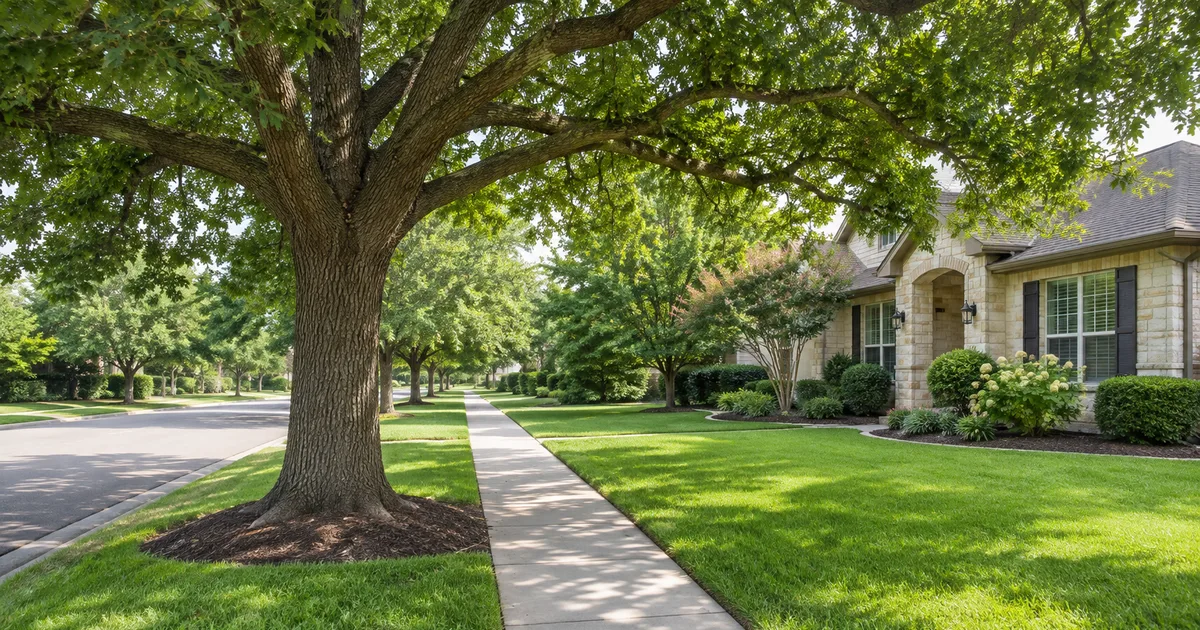
An HOA notice says the branches on your builder-planted oak hang too low over the sidewalk. Who should you call? The arborist vs landscaper choice starts with what needs cutting. Trim small shrubs and hedges yourself from the ground or hire a landscaper who knows the plants. Hire an ISA Certified Arborist to plan pruning on a tree, especially if it has large limbs or needs climbing. If branches are near overhead power lines, call the electric utility first.
Arborist vs landscaper: who should trim your trees?
Your lawn crew is already there, so it's tempting to add “shape the oak” to the day's work. You mean that someone with a stroller should be able to use the sidewalk without ducking. The crew hears that you want a rounder tree. Without a safe way to reach the outer branches, a crew may shorten thick limbs where it can reach them and leave stubs. You've lost much of the canopy and paid for more cutting than the sidewalk needed.
Start at the spot where you have to duck and point to the branches in the way. Arborists call this kind of clearance work crown raising. Ask which branches can be shortened and which, if any, should come off. If a low branch is already large, ask whether shortening it now and revisiting it later would preserve more live foliage. A young tree can often be trained in stages so a low branch doesn't become a large cut later.
Some landscape companies have a dedicated tree crew with a certified arborist. Ask which person will assess the tree and who will lead the crew on site. For work high in the crown, the crew needs a safe way to reach the proposed cuts and control where branches land. A good hedge crew may be exactly who you need for the shrubs along the same sidewalk.
What is tree topping and why is it harmful?
Tree topping chops leaders or major branches back to stubs or to side branches too small to take over. From the curb, you'll see thick limbs that end abruptly, often around the same height. The International Society of Arboriculture warns that topping strips away leaf area and leaves large wounds that can decay. The Tree Care Industry Association's summary of the ANSI A300 pruning standard calls topping unacceptable.
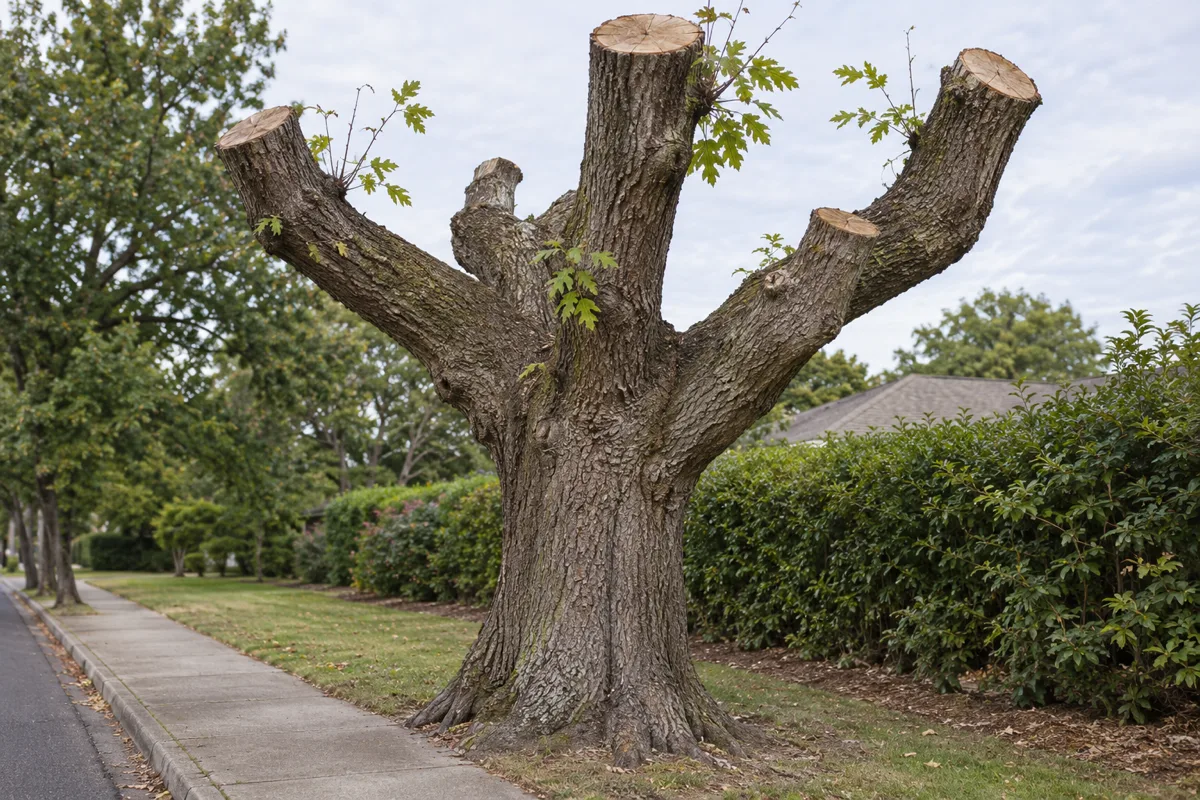
A topped tree may leaf out fast. Shoots often grow in clusters just below the cuts, where their attachments can be weak. As they lengthen and get heavier, they can break, especially if the wood beneath them is decaying. All that fresh green can hide the loss of the tree's original branching structure.
A common suggestion is to take the top off a tree to keep it short. That can leave you paying to manage fast regrowth and defects from the first cuts. If you need less spread over the driveway, ask about selective reduction on that side. In a reduction cut, the arborist shortens a limb to a live side branch large enough to take over. ISA guidance uses a side branch at least one-third the diameter of the stem being cut. If the tree can't fit the space without repeated severe cuts, ask whether replacing it with a species that fits at maturity would solve the problem.
A tree can put out a full crop of leaves after topping and still have weak branches.
How do you tell a certified arborist from a “tree guy”?
When you hire a tree trimmer, get the name and credential number of the person specifying the work. Use the International Society of Arboriculture's free Find an Arborist directory to verify the individual's current credential. Some credential holders keep their listings private. If the name doesn't come up, ask for the arborist's verifiable digital credential. Then confirm who's briefing the crew. A credential on a company website tells you very little about who will make decisions at your tree.
Ask for current proof of general liability and workers' compensation coverage for the company doing the work. If a subcontractor will bring the lift or do the cutting, ask whose coverage applies to that crew. Check any license required where you live. After a storm, treat an unsolicited offer that requires an immediate answer or full payment up front as a red flag. The Federal Trade Commission recommends checking credentials and getting the work in writing before you commit.
What should a tree trimming quote say?
Ask for a written scope based on ANSI A300 pruning practices. Give the contractor the result you need in plain language. “Clear the low branches over the front walk to the height the city requires” is something you can discuss at the tree. Have the arborist walk you through the proposed cuts, then get these details into the quote.
- The tree, the branches involved, and the agreed clearance measured from the walking surface.
- Which branches will come off and which will be shortened to a suitable side branch. Specify no topping.
- The largest cut diameter and the maximum share of the live crown to remove on this visit, both set by the arborist for this tree.
- Cleanup and haul-away, who handles any permits, proof of insurance, and when payment is due.
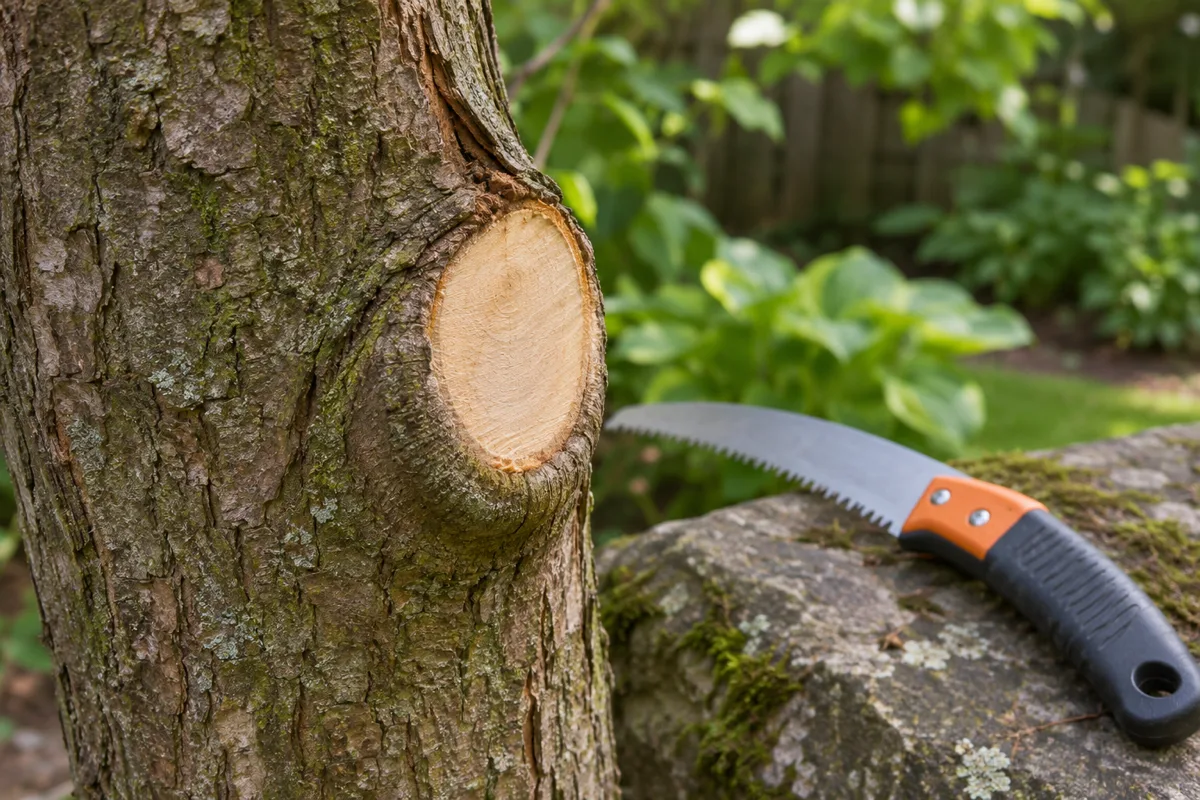
The collar is the raised tissue at the base of a branch. A removal cut just outside it avoids a long stub and preserves trunk tissue that a flush cut would remove. Ask the arborist to show you the spot on a branch the crew plans to remove. If the quote says only “shape and clean,” use these landscaping quote red flags to work out what needs to go in writing.
How much does tree trimming cost?
Get written bids for the same cuts and cleanup at your address. Tree pruning cost depends on what the crew has to reach, what sits below the cuts, and how the debris will leave the yard. A limb that can drop into open lawn is a different job from one that must be lowered in pieces over a fence. Tell each bidder about narrow gates and anything under the branches that needs protection.
Small jobs can have a minimum charge. The crew still has to load the truck, drive to your address, and set up. Ask whether the bid is a minimum visit charge and whether another shrub or tree that already needs attention could fit into the same visit. Check whether an estimate visit is free and whether a separate assessment would carry a fee.
Say one hypothetical quote is $350 with the branches left curbside, and another is $425 with haul-away. If the first crew also charges $100 to haul them, its comparable price is $450. Ask about the disposal fee before booking, and check whether your town will collect the amount and size of brush the crew plans to leave. Then compare the pruning itself. A bid for the sidewalk side and a bid for the entire canopy cover different work even if both include cleanup.
Compare prices after both bids name the same branches and say where the brush will go.
Should you prune it yourself?
If you can work with both feet on the ground and the cut stems are light enough to control, a small shrub is a reasonable DIY job. Use hand pruners or loppers for stems within the tool's rated cutting capacity. Shears make sense on the soft outer growth of a formal hedge. If you have a long hedge, you can check a tool-rental counter for a hedge trimmer. Availability and rates vary by store, so check the price and plan how you'll collect and dispose of the clippings before you rent.
Identify the plant first. An upright shrub and a spreading one can both look overgrown when they're wedged against a path. If your forsythia arches over the walk, wait until its spring flowers fade. It blooms on wood grown the previous year, so shearing it in winter takes off flower buds. For established forsythia, Iowa State Extension advises removing one-quarter to one-third of the oldest stems at ground level every other year. The younger stems can keep their natural shape.
A common tip is to take up to a quarter off any plant in one go. The forsythia guideline counts older stems. For a tree, an arborist estimates the share of live foliage removed and weighs the tree's age, health, and tolerance for pruning. NC State Extension describes a lower tolerance in old trees than in younger, healthy trees. Ask how much can be done safely now and what should wait for a later visit.
Leave work that requires a ladder, a chainsaw, or control of a heavy overhead limb to a tree crew. Keep pole tools away from overhead wires. If a branch or tool could reach a line, call the utility before anyone starts. The utility can tell you who handles that line, whether it can arrange clearance or a temporary disconnect, and what, if anything, you'll pay. A line from the pole to the house may be handled differently from the lines along the street.
Who is responsible for the tree by the sidewalk?
Check the city tree code and call urban forestry or public works with your address. The strip between the sidewalk and curb may be in the public right-of-way even though you mow it. Some cities assign maintenance to the adjacent owner. Others maintain street trees with city crews or contractors and require permission for private pruning. Portland's tree code generally assigns adjacent property owners responsibility, while New York City Parks schedules routine street-tree pruning and takes reports for hazards and obstructions.
Give the city the tree's location and ask who maintains it, what sidewalk clearance applies, and whether you or the contractor needs a permit. Ask about fees and timing before you accept a bid. If the builder planted the tree, check your survey or plat and any maintenance documents from closing. A fresh planting in front of your house can still be a regulated street tree.
If the HOA sent the notice, ask for the rule and deadline in writing. Check the HOA's governing documents for responsibility and approval requirements, especially if the tree stands on common land. If the city needs to approve or do the work, share that information with the HOA before the deadline. If you're still planning a new-construction yard, allow for mature branch spread along paths. This guide to tree and hedge spacing helps with siting, and you can compare landscape designer costs if you need a planting layout for a tight lot.
What if the crew already cut it wrong?
If the crew is still working, ask the foreperson to pause as soon as it's safe. Stay outside the area where branches could fall and keep others away from hanging limbs. Once the area is safe, take a photo of the whole tree and closer photos of the cuts you can see from the ground. Save the estimate, any photos from before the work, and messages confirming what you agreed to.
Tell the contractor in writing which cuts differ from the scope. If the work is disputed, follow the notice and payment terms in your contract and hold back the disputed final payment as the contract and local rules allow. Use this guide to inspecting landscaping work to organize your photos and walk-through before discussing a remedy. Keep the issue specific. A main limb cut to a stub is easier to document than a crown that looks wrong to you.
Ask an independent ISA Certified Arborist to assess the remaining structure and write a corrective pruning plan. Ask what the assessment and written plan cost before booking. The plan can identify which shoots to keep, which to shorten over time, and when to reinspect the old cuts for decay. Avoid topping again to even out the crown. If the arborist finds serious decay or weak attachments over a sidewalk or roof, talk through whether the tree can be kept safely.
Photograph the cuts before anyone comes back to change them.
FAQ
When is the best time to prune?
Late dormancy is a good starting point for many deciduous trees. You can see the branches clearly before the leaves come out. Prune spring-flowering shrubs that bloom on old wood just after flowering. For an oak, check local extension guidance on oak wilt before you schedule live cuts, since the period when wounds are vulnerable varies by region. Have a hazardous limb assessed promptly.
Can a topped tree recover?
Some trees can grow a serviceable new canopy with several years of corrective pruning. The original limbs are gone, and quick regrowth can't tell you whether the old cuts are sound. The outlook depends on the species, the tree's condition, and how much sound structure remains. Ask the arborist what a realistic recovery would look like before paying for repeat visits.
Do you need a permit?
Sometimes. Before a crew cuts a street tree, a tree in the public right-of-way, or a protected tree on private land, ask your city which rules apply at your address. Describe the work as pruning and give the city the proposed scope. Ask for a copy of any approval before work starts.
Should you be home while they work?
Be there at the start if you can. Walk the job with the foreperson on the ground and check the first cuts from a safe spot outside the work area. If the cuts match the written scope, step back and let the crew work. If they differ, ask the foreperson to pause and go over the scope with you. If you can't be home, agree on marked-up photos before the visit and ask for a call before any change.